
Goals
The Goals Driving Connect 2035
Over the next decade, Spokane Transit will pursue three ambitious goals to create a more accessible, reliable, and connected transportation network. Explore the projects and core investments that will bring this vision to life.
Elevate the Customer
Experience
Lead and Collaborate with
Community Partners
Strengthen Our
Organizational Capacity
Advance all three strategic
goals and guide our next decade
In-Progress
Estimated Completion: 2028
Updating Bus Routes

STA is responding to changing travel patterns by adding more night and weekend service, updating Spokane Valley routes to meet growth, and adjusting routes to better connect riders with jobs and key destinations.
BENEFITS:
Improves convenience and access while directly reflecting rider priorities — 63% of surveyed riders identified updating routes as the top customer experience investment.
TIMELINE:
Future: Expanded service on key routes and improved Spokane Valley connections
September 2026: Extending Route 36 further into Hillyard east of the North Spokane Corridor
2027: Restructuring North Spokane routes, including adding a route from West Plains Transit Center to Spokane Falls Community College to provide connections from the north side to West Plains
January 2028: Service to Argonne Station Park & Ride anticipated to begin
In-Progress
Estimated Completion: 2031
Bus Stop Improvements

STA will invest in improving safety and comfort for riders by adding 100 new bus shelters across the system, increasing the number of shelters by 50%, and installing lighting at every bus stop with a shelter where feasible.
BENEFITS:
Provides a more protected location for riders to wait out of the elements for their bus.
TIMELINE:
2026-31: Install lighting where feasible at all sheltered stops; install shelters at all stops with more than 25 daily boardings
Spring 2026: Design process is underway, including scoping projects for multiple years of construction
Summer 2026: New stops for Route 36 extension to be constructed
Fall 2026: First phase of projects will begin construction
2027: Corridor improvements for Route 27
In-Progress
Estimated Completion: 2035
Future Service Improvements

STA will enhance transit services by increasing weekend service frequency on high-performing routes:
- Increase weekend service frequency on additional high-performing routes
- Later service hours Monday to Saturday on high-performing routes
- Increase service frequency to West Plains
STA will conduct planning and design for a future HPT Route 61 Highway 2/Fairchild corridor (upgraded stations, amenities, and increased frequency). Division Street BRT will introduce 10-minute service and extend the line to Mead from Hastings Park & Ride
TIMELINE:
2025-28: Implement fixed route network optimization (additional night/weekend service on high-performing routes, updating service in Spokane Valley, reaching new job centers)
2031: Conduct planning and design for future HPT corridors: Route 61 Highway 2 / Fairchild
2032: Conduct planning and design for extending Route 9 Sprague to the Appleway Park & Ride
2034: Evaluate opportunities for high-capacity transit, appropriate service modes, and greatest corridors of opportunity
2035: Conduct planning and design for extending Division Street BRT to a potential new transit center in Mead
In-Progress
Estimated Completion: 2030
Upgrade Route 33 Wellesley to a High Performance Transit Line

This project will enhance Route 33 Wellesley, a key crosstown route connecting Spokane Falls Community College to Spokane Community College through diverse neighborhoods, by upgrading stations and adding amenities to improve safety and comfort.
BENEFITS:
Enhances rider experience with improved station facilities, increased safety, and more comfortable transit options along a high-frequency route.
TIMELINE:
Spring 2026: Advancing a Corridor Development Plan, identifying infrastructure improvements for the corridor, and applying for Washington State Department of Transportation Regional Mobility Grant to partially fund infrastructure improvements
2027-30: Implement improvements along Wellesley corridor
Planning Phase
Estimated Completion: 2035
Planning and Designing the Next Round of High Performance Transit Lines

This initiative involves planning and designing three new High Performance Transit (HPT) lines:
- Route 61 Highway 2/Fairchild
- Extending Division Street BRT from Hastings Park and Ride to Mead — based on rider feedback ridership data, and regional travel patterns.
BENEFITS:
Increases frequency and connectivity of transit services, making the system more convenient and accessible for riders across key regional corridors.
TIMELINE:
2031: Deliver report and initial HPT design concepts for Route 61
2032: Deliver report and initial HPT design concepts for Route 9 Sprague to Appleway Station
2035: Deliver report and initial HPT design concepts for Division BRT extension
In-Progress
Estimated Completion: 2028
Transit Ambassadors

STA is piloting a new Transit Ambassador program to help foster a safe, welcoming environment for all our customers. This is modeled on ambassador programs at other transit agencies.
BENEFITS:
Increases rider comfort on STA routes, while putting more eyes onto the system while encouraging safe transportation use.
TIMELINE:
August 2025: Hired and trained 10 Transit Ambassadors
February-March 2026: Hired five additional ambassadors. Since August, Transit Ambassadors have completed 19,859 rides, 6,454 security interactions, and 6,860 customer support engagements
July 2026: Five additional ambassadors will be hired, bringing the total to 20
2025-28: Pilot program implementation
Completed
Estimated Completion: 2025
Streamlining Paratransit Booking

STA will develop a new online platform to allow Paratransit users, who rely on over 1,000 daily trips for people with disabilities, to schedule rides conveniently without needing to call in.
BENEFITS:
Enhances accessibility and convenience for Paratransit users by simplifying the booking process through a user-friendly online system.
TIMELINE:
November 2025: STA launched PassWeb and PassApp, now allowing customers to seamlessly book Paratransit rides over a web browser or their mobile phones
December 2025: Over 2,000 bookings through PassWeb and PassApp since launch
Planning Phase
Estimated Completion: 2032
New Mobility-On-Demand Services Pilot

STA will pilot “STA Link,” a mobility-on-demand service using multi-passenger vehicles in North Spokane Valley, Latah Valley, Liberty Lake, unincorporated West Plains, and Northeast Spokane to expand transit coverage and connect workers to jobs.
BENEFITS:
Enhances transit access in fast-growing areas, improving connectivity and gathering data on cost-effectiveness and customer response to innovative service models.
TIMELINE:
Summer 2026: Vendor selected
Fall 2026: First pilot service launches
2026-28: North Spokane Valley pilot, Latah Valley pilot
2028-30: Liberty Lake pilot
2029-31: Unincorporated portions of West Plains pilot
2030-32: Northeast Spokane pilot
Goal 2 Project Highlights
Discover the innovative programs and infrastructure improvements shaping Spokane’s transit future.
In-Progress
Estimated Completion: 2027
Low-Income Fare Pilot Program

To further STA’s vision of Connecting Everyone to Opportunity, STA will pilot a reduced fare program for riders experiencing low incomes. Named “Opportunity Fare,” this program is designed for residents whose income is at or below 200% of the federal poverty level.
BENEFITS:
Helps ensure that public transportation remains accessible by providing discounted fares (50%) on One Ride, Daily, and Monthly fare capping for eligible riders.
TIMELINE:
July 2025: STA Board of Directors approval of new fare category
December 2025: Initial roll out of low-income fare pilot program
May 2026: Over 300 individuals have enrolled with over 35,000 rides to date
2025-27: Pilot implementation
Planning Phase
Estimated Completion: 2027
Empower New Riders to Use the Bus

In partnership with community-based organizations (CBOs) like Special Mobility Services, STA will expand travel training programs to provide one-on-one assistance, helping new riders, particularly from disadvantaged communities, learn to navigate the bus system independently.
BENEFITS:
Increases rider confidence and accessibility by equipping new riders with the skills to use transit effectively, fostering inclusive mobility.
TIMELINE:
2026-27: Implementation
Spring 2026: New outreach coordinator will start summer 2026
Planning Phase
Estimated Completion: 2032
Encourage More Housing and Employment Near STA’s Transit Services

STA will collaborate with municipal partners to fund planning for transit-oriented development (TOD), promoting housing and employment growth near transit corridors to support regional development.
BENEFITS:
Enhances regional sustainability by increasing transit ridership, reducing congestion, and lowering family costs through strategic TOD planning.
TIMELINE:
2027-32: Fund station area TOD planning efforts in partnership with municipalities
Planning Phase
Estimated Completion: 2031
Electric Vehicle Charging

STA will partner with Avista and the Spokane Regional Transportation Council to leverage state and federal programs, expanding public electric vehicle charging access at park-and-rides and other facilities to support growing regional demand.
BENEFITS:
Enhances sustainable transportation options by providing convenient EV charging infrastructure, encouraging adoption and reducing emissions.
TIMELINE:
2029-31: Work with partners to expand access to public electric vehicle charging at STA facilities
Planning Phase
Estimated Completion: 2029
Enhance Transit Information Accessibility

STA will collaborate with community partners to promote existing transit information in non-English languages and assess the need for additional multilingual rider resources and signage to serve Spokane County’s diverse households.
BENEFITS:
Improves inclusivity and access to transit services for non-English-speaking riders, ensuring equitable access to information.
TIMELINE:
2027-29: Identify and install signage and other rider resources in languages other than English
Planning Phase
Estimated Completion: 2028
Expand Partnerships with Employers

STA will partner with Commute Smart Northwest to enhance outreach and education, expanding the Employer Sponsored Bus Pass Program to offer more employers discounted Connect fares and passes as regional job growth continues.
BENEFITS:
Increases transit ridership and affordability by strengthening employer partnerships, encouraging sustainable commuting options for workers.
TIMELINE:
2027-28: Implementation
Planning Phase
Estimated Completion: 2029
Attract More Visitors to Use the Bus

STA will partner with Visit Spokane, hotels, and event organizers to enhance transit information for tourists and introduce programs, such as integrating transit fares into event tickets, to encourage visitor ridership.
BENEFITS:
Boosts regional tourism and economic growth by making transit more accessible and appealing to Spokane County’s 9.8 million annual visitors.
TIMELINE:
2027-29: Work with event organizers to integrate transit fare into event tickets
2028-29: Work with Visit Spokane, hotels, and event organizers to develop partnerships and enhance information for visitors
In-Progress
Estimated Completion: 2027
Increase Engagement with Underrepresented Communities

STA will establish a community-based organization (CBO) Network to foster partnership and enhance engagement with underrepresented communities, building on relationships developed through the Connect 2035 process.
BENEFITS:
Strengthens inclusivity by amplifying underrepresented voices, ensuring transit planning reflects diverse community needs.
TIMELINE:
2025-27: Implementation
Spring 2026: Outreach team conducting pop-up events to educate riders at area libraries and community centers
Planning Phase
Estimated Completion: 2028
Community Van Program
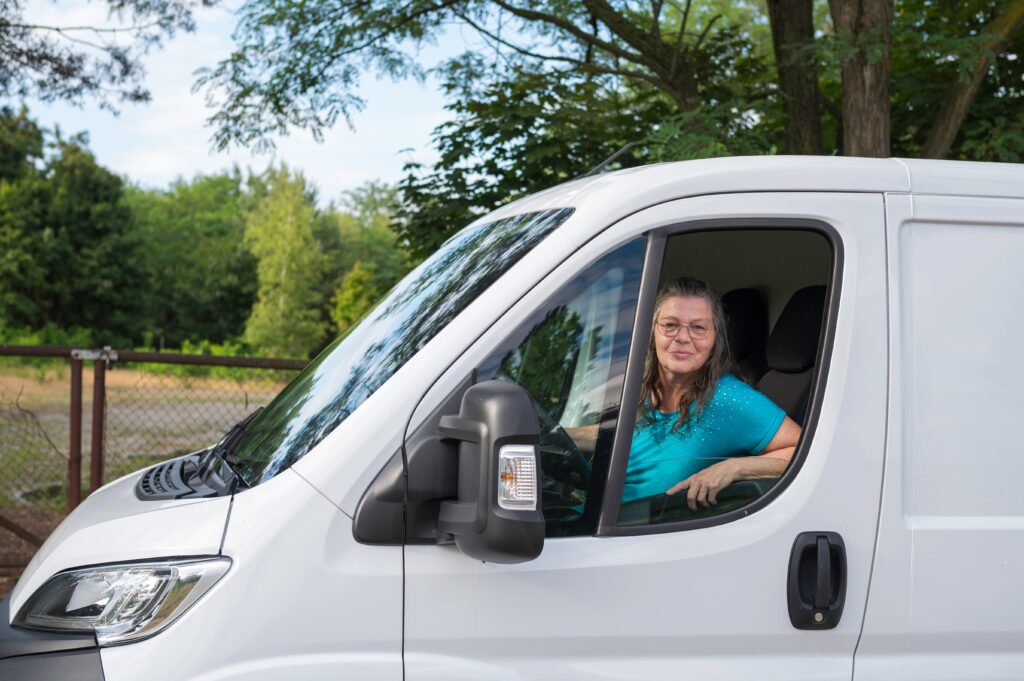
STA will implement a Community Van program whereby a van or other passenger vehicle is made available to an identified partner organization to provide mobility assistance for targeted groups or individuals that align with STA’s mission, organizational priorities, and strategic goals.
BENEFITS:
Improves mobility for community-based organizations in the region.
TIMELINE:
2026-28: Implementation
Goal 3 Project Highlights
Discover the innovative programs and infrastructure improvements shaping Spokane’s transit future.
In-Progress
Estimated Completion: 2026
Improve Real-Time Information

STA will upgrade backend technology systems to enhance the reliability and accuracy of real-time bus arrival information, meeting riders’ expectations for dependable transit updates.
BENEFITS:
Strengthens STA’s operational capacity by improving technological infrastructure, ensuring more reliable information delivery to riders.
TIMELINE:
2025-26: Upgrade Computer Aided Dispatch / Automatic Vehicle Location systems to enable more accurate real-time information
Spring 2026: Active project working to improve real-time information, including better arrival predictions and more complete detour information, which will improve STA’s website, digital signs, and Transit App. Launch for these enhancements is anticipated for mid-summer.
In-Progress
Estimated Completion: 2028
Invest in Bus Operators

Looking forward, STA is committed to investing in our operators and improving the day-to-day experience by upgrading break rooms and amenities, delivering more high-quality restrooms along routes, and developing new operator support systems.
BENEFITS:
Improves day-to-day experience of operators.
TIMELINE:
Fall 2025: Constructed Whitworth Comfort Station
2025-26: Upgrade Computer Aided Dispatch / Automatic Vehicle Location systems to enable more accurate real-time information
2026-28: Upgrade break rooms and amenities, expand access to high-quality restrooms along routes, and develop new
operator support systems
In-Progress
Estimated Completion: 2027
Streamline Customer Interactions and Service Delivery

STA will invest in new technology solutions to enhance customer service operations, enabling teams to efficiently track, respond to, and resolve rider inquiries while improving internal collaboration.
BENEFITS:
Strengthens STA’s capacity to deliver faster, smoother customer service, enhancing rider satisfaction and operational efficiency.
TIMELINE:
Spring 2026: Scoping of Customer Relationship Management (CRM) system requirements in progress
2027: Delivery
In-Progress
Estimated Completion: 2027
Vehicle Enhancements

STA will expand investments in vehicle data collection to monitor driver behavior and vehicle condition across the entire fleet, enhancing safety, preventative maintenance, and operator training.
BENEFITS:
Strengthens STA’s operational capacity by improving vehicle safety and maintenance efficiency, ensuring a safer transit experience.
TIMELINE:
2025-27: Implement telematics in all STA fleet vehicles to increase safety, efficiency, and opportunities for expanded operator training
November 2025: Installation of telematics equipment begins
January 2026: Telematics equipment installed on all revenue and non-revenue vehicles
April 2026: Benchmarking phase concludes, and system is active for coaching
In-Progress
Estimated Completion: 2026
Increase Transparency and Access to Data

STA will develop user-friendly public dashboards for key performance indicators and improve access to transit data as part of the Connect 2035 initiative to enhance community trust.
BENEFITS:
Strengthens STA’s capacity by fostering transparency and public engagement through accessible, data-driven insights.
TIMELINE:
2026: Delivery
Winter 2025: Established definition of metrics, acquisition of data for our data warehouse, and design of the dashboard
Spring 2026: Dashboard prototype development, including mapping. Deployment estimated for summer 2026
In-Progress
Estimated Completion: 2028
Build STA’s Team

STA will establish an organizational development program to formalize training, leadership development, and enhance employee engagement and internal communications to build a diverse and empowered workforce.
BENEFITS:
Strengthens STA’s capacity by fostering a skilled, inclusive, and engaged team, improving service delivery and organizational pride.
TIMELINE:
2025-27: Enhance internal employee engagement and communications efforts to retain STA talent
- November 2025: Coach Operator Recruitment & Retention launches
- December 2025: Pathfinders program launches to mentor new drivers
- February 2026: STA Frontline App launches for internal communication
- Ongoing: Task Force subcommittees determining feasibility and establishing project timelines
2026-29: Make targeted investments in staffing to expand competencies in support of strategic internal and external initiatives
- January 2026: Annual budget includes the following new staff: Three Fixed Route Supervisors, 15 Security employees (various), One Learning Content Coordinator, One Customer Support and Outreach Coordinator, One Communications Specialist, One Customer Service Assistant Manager, and One Vehicle Charging Engineer
2028: Establish an organizational development program
Core Investments
Lorem ipsum dolor sit amet, eu est sonet labore dignissim vel expetenda.
In-Progress
Estimated Completion: 2030
Division Street BRT

Division Street Bus Rapid Transit (BRT) is a transit improvement project that will expand existing bus service between downtown Spokane and north Spokane and Spokane County.
BENEFITS:
The project delivers high-quality, fast, and frequent bus service to support a revitalized and vibrant Division Street corridor while reducing congestion, increasing access, and providing faster travel.
TIMELINE:
2019: DivisionConnects study completed in partnership with local and state agencies
Summer 2025: Submitted Small Starts grant package for federal rating for project
Spring 2026: $82 million allocated in FY 2026 through the THUD Appropriations Act and subsequently signed into law by President Trump
2030: Division BRT currently planned to begin revenue service
Planning Phase
Estimated Completion: 2035
Essential Support Facilities

STA is continuing its work to create a healthier region and reduce greenhouse gas emissions by building new essential support facilities. These energy-efficient facilities will support Fixed Route and Paratransit operations, vehicle maintenance, operator training, administrative offices, and an improved public meeting location and configuration.
BENEFITS:
Advances STA’s leadership in environmental responsibility, reduces operating and maintenance costs, and ensures long-term financial sustainability.
TIMELINE:
Summer 2026: Additional administrative office space has been located
2026-35: Implementation
2028: Renovate the Plaza for public meeting and administrative space
2028: Build the near-term operator training course
2028: Acquire property for future clean energy base
2028-30: Construct new Fixed Route Operations Center
2029-30: Build a new Paratransit and Rideshare Operations base
Planning Phase
Estimated Completion: 2045
Zero Emission Buses

STA currently operates 36 battery-electric buses and is working toward a 100% zero-emission fleet by 2045, supported primarily through grant funding.
BENEFITS:
Advances STA’s leadership in environmental responsibility and supports state requirements for a zero-emission transit fleet.
TIMELINE:
2027-28: Develop additional charging infrastructure
2029-35: Resume purchase of Fixed-Route EVs
2045: STA will achieve a 100% zero-emission fleet
Elevate the Customer
Experience
In-Progress
Estimated Completion: 2028
Updating Bus Routes
STA is responding to changing travel patterns by adding more night and weekend service, updating Spokane Valley routes to meet growth, and adjusting routes to better connect riders with jobs and key destinations.
BENEFITS:
Improves convenience and access while directly reflecting rider priorities — 63% of surveyed riders identified updating routes as the top customer experience investment.
TIMELINE:
Future: Expanded service on key routes and improved Spokane Valley connections
September 2026: Extending Route 36 further into Hillyard east of the North Spokane Corridor
2027: Restructuring North Spokane routes, including adding a route from West Plains Transit Center to Spokane Falls Community College to provide connections from the north side to West Plains
January 2028: Service to Argonne Station Park & Ride anticipated to begin
In-Progress
Estimated Completion: 2031
Bus Stop Improvements
STA will invest in improving safety and comfort for riders by adding 100 new bus shelters across the system, increasing the number of shelters by 50%, and installing lighting at every bus stop with a shelter where feasible.
BENEFITS:
Provides a more protected location for riders to wait out of the elements for their bus.
TIMELINE:
2026-31: Install lighting where feasible at all sheltered stops; install shelters at all stops with more than 25 daily boardings
Spring 2026: Design process is underway, including scoping projects for multiple years of construction
Summer 2026: New stops for Route 36 extension to be constructed
Fall 2026: First phase of projects will begin construction
2027: Corridor improvements for Route 27
In-Progress
Estimated Completion: 2030
Upgrade Route 33 Wellesley to a High Performance Transit Line
This project will enhance Route 33 Wellesley, a key crosstown route connecting Spokane Falls Community College to Spokane Community College through diverse neighborhoods, by upgrading stations and adding amenities to improve safety and comfort.
BENEFITS:
Enhances rider experience with improved station facilities, increased safety, and more comfortable transit options along a high-frequency route.
TIMELINE:
Spring 2026: Advancing a Corridor Development Plan, identifying infrastructure improvements for the corridor, and applying for Washington State Department of Transportation Regional Mobility Grant to partially fund infrastructure improvements
2027-30: Implement improvements along Wellesley corridor
Planning Phase
Estimated Completion: 2035
Planning and Designing the Next Round of High Performance Transit Lines
This initiative involves planning and designing three new High Performance Transit (HPT) lines:
- Route 61 Highway 2/Fairchild
- Extending Division Street BRT from Hastings Park and Ride to Mead — based on rider feedback ridership data, and regional travel patterns.
BENEFITS:
Increases frequency and connectivity of transit services, making the system more convenient and accessible for riders across key regional corridors.
TIMELINE:
2031: Deliver report and initial HPT design concepts for Route 61
2032: Deliver report and initial HPT design concepts for Route 9 Sprague to Appleway Station
2035: Deliver report and initial HPT design concepts for Division BRT extension
In-Progress
Estimated Completion: 2028
Transit Ambassadors
STA is piloting a new Transit Ambassador program to help foster a safe, welcoming environment for all our customers. This is modeled on ambassador programs at other transit agencies.
BENEFITS:
Increases rider comfort on STA routes, while putting more eyes onto the system while encouraging safe transportation use.
TIMELINE:
August 2025: Hired and trained 10 Transit Ambassadors
February-March 2026: Hired five additional ambassadors. Since August, Transit Ambassadors have completed 19,859 rides, 6,454 security interactions, and 6,860 customer support engagements
July 2026: Five additional ambassadors will be hired, bringing the total to 20
2025-28: Pilot program implementation
Completed
Estimated Completion: 2025
Streamlining Paratransit Booking
STA will develop a new online platform to allow Paratransit users, who rely on over 1,000 daily trips for people with disabilities, to schedule rides conveniently without needing to call in.
BENEFITS:
Enhances accessibility and convenience for Paratransit users by simplifying the booking process through a user-friendly online system.
TIMELINE:
November 2025: STA launched PassWeb and PassApp, now allowing customers to seamlessly book Paratransit rides over a web browser or their mobile phones
December 2025: Over 2,000 bookings through PassWeb and PassApp since launch
Planning Phase
Estimated Completion: 2032
New Mobility-On-Demand Services Pilot
STA will pilot “STA Link,” a mobility-on-demand service using multi-passenger vehicles in North Spokane Valley, Latah Valley, Liberty Lake, unincorporated West Plains, and Northeast Spokane to expand transit coverage and connect workers to jobs.
BENEFITS:
Enhances transit access in fast-growing areas, improving connectivity and gathering data on cost-effectiveness and customer response to innovative service models.
TIMELINE:
Summer 2026: Vendor selected
Fall 2026: First pilot service launches
2026-28: North Spokane Valley pilot, Latah Valley pilot
2028-30: Liberty Lake pilot
2029-31: Unincorporated portions of West Plains pilot
2030-32: Northeast Spokane pilot
Lead and Collaborate with
Community Partners
In-Progress
Estimated Completion: 2027
Low-Income Fare Pilot Program
To further STA’s vision of Connecting Everyone to Opportunity, STA will pilot a reduced fare program for riders experiencing low incomes. Named “Opportunity Fare,” this program is designed for residents whose income is at or below 200% of the federal poverty level.
BENEFITS:
Helps ensure that public transportation remains accessible by providing discounted fares (50%) on One Ride, Daily, and Monthly fare capping for eligible riders.
TIMELINE:
July 2025: STA Board of Directors approval of new fare category
December 2025: Initial roll out of low-income fare pilot program
May 2026: Over 300 individuals have enrolled with over 35,000 rides to date
2025-27: Pilot implementation
Planning Phase
Estimated Completion: 2027
Empower New Riders to Use the Bus
In partnership with community-based organizations (CBOs) like Special Mobility Services, STA will expand travel training programs to provide one-on-one assistance, helping new riders, particularly from disadvantaged communities, learn to navigate the bus system independently.
BENEFITS:
Increases rider confidence and accessibility by equipping new riders with the skills to use transit effectively, fostering inclusive mobility.
TIMELINE:
2026-27: Implementation
Spring 2026: New outreach coordinator will start summer 2026
Planning Phase
Estimated Completion: 2032
Encourage More Housing and Employment Near STA’s Transit Services
STA will collaborate with municipal partners to fund planning for transit-oriented development (TOD), promoting housing and employment growth near transit corridors to support regional development.
BENEFITS:
Enhances regional sustainability by increasing transit ridership, reducing congestion, and lowering family costs through strategic TOD planning.
TIMELINE:
2027-32: Fund station area TOD planning efforts in partnership with municipalities
Planning Phase
Estimated Completion: 2031
Electric Vehicle Charging
STA will partner with Avista and the Spokane Regional Transportation Council to leverage state and federal programs, expanding public electric vehicle charging access at park-and-rides and other facilities to support growing regional demand.
BENEFITS:
Enhances sustainable transportation options by providing convenient EV charging infrastructure, encouraging adoption and reducing emissions.
TIMELINE:
2029-31: Work with partners to expand access to public electric vehicle charging at STA facilities
Planning Phase
Estimated Completion: 2029
Enhance Transit Information Accessibility
STA will collaborate with community partners to promote existing transit information in non-English languages and assess the need for additional multilingual rider resources and signage to serve Spokane County’s diverse households.
BENEFITS:
Improves inclusivity and access to transit services for non-English-speaking riders, ensuring equitable access to information.
TIMELINE:
2027-29: Identify and install signage and other rider resources in languages other than English
Planning Phase
Estimated Completion: 2028
Expand Partnerships with Employers
STA will partner with Commute Smart Northwest to enhance outreach and education, expanding the Employer Sponsored Bus Pass Program to offer more employers discounted Connect fares and passes as regional job growth continues.
BENEFITS:
Increases transit ridership and affordability by strengthening employer partnerships, encouraging sustainable commuting options for workers.
TIMELINE:
2027-28: Implementation
Planning Phase
Estimated Completion: 2029
Attract More Visitors to Use the Bus
STA will partner with Visit Spokane, hotels, and event organizers to enhance transit information for tourists and introduce programs, such as integrating transit fares into event tickets, to encourage visitor ridership.
BENEFITS:
Boosts regional tourism and economic growth by making transit more accessible and appealing to Spokane County’s 9.8 million annual visitors.
TIMELINE:
2027-29: Work with event organizers to integrate transit fare into event tickets
2028-29: Work with Visit Spokane, hotels, and event organizers to develop partnerships and enhance information for visitors
In-Progress
Estimated Completion: 2027
Increase Engagement with Underrepresented Communities
STA will establish a community-based organization (CBO) Network to foster partnership and enhance engagement with underrepresented communities, building on relationships developed through the Connect 2035 process.
BENEFITS:
Strengthens inclusivity by amplifying underrepresented voices, ensuring transit planning reflects diverse community needs.
TIMELINE:
2025-27: Implementation
Spring 2026: Outreach team conducting pop-up events to educate riders at area libraries and community centers
Planning Phase
Estimated Completion: 2028
Community Van Program
STA will implement a Community Van program whereby a van or other passenger vehicle is made available to an identified partner organization to provide mobility assistance for targeted groups or individuals that align with STA’s mission, organizational priorities, and strategic goals.
BENEFITS:
Improves mobility for community-based organizations in the region.
TIMELINE:
2026-28: Implementation
Strengthen Our
Organizational Capacity
In-Progress
Estimated Completion: 2026
Improve Real-Time Information
STA will upgrade backend technology systems to enhance the reliability and accuracy of real-time bus arrival information, meeting riders’ expectations for dependable transit updates.
BENEFITS:
Strengthens STA’s operational capacity by improving technological infrastructure, ensuring more reliable information delivery to riders.
TIMELINE:
2025-26: Upgrade Computer Aided Dispatch / Automatic Vehicle Location systems to enable more accurate real-time information
Spring 2026: Active project working to improve real-time information, including better arrival predictions and more complete detour information, which will improve STA’s website, digital signs, and Transit App. Launch for these enhancements is anticipated for mid-summer.
In-Progress
Estimated Completion: 2028
Invest in Bus Operators
Looking forward, STA is committed to investing in our operators and improving the day-to-day experience by upgrading break rooms and amenities, delivering more high-quality restrooms along routes, and developing new operator support systems.
BENEFITS:
Improves day-to-day experience of operators.
TIMELINE:
Fall 2025: Constructed Whitworth Comfort Station
2025-26: Upgrade Computer Aided Dispatch / Automatic Vehicle Location systems to enable more accurate real-time information
2026-28: Upgrade break rooms and amenities, expand access to high-quality restrooms along routes, and develop new
operator support systems
In-Progress
Estimated Completion: 2027
Streamline Customer Interactions and Service Delivery
STA will invest in new technology solutions to enhance customer service operations, enabling teams to efficiently track, respond to, and resolve rider inquiries while improving internal collaboration.
BENEFITS:
Strengthens STA’s capacity to deliver faster, smoother customer service, enhancing rider satisfaction and operational efficiency.
TIMELINE:
Spring 2026: Scoping of Customer Relationship Management (CRM) system requirements in progress
2027: Delivery
In-Progress
Estimated Completion: 2027
Vehicle Enhancements
STA will expand investments in vehicle data collection to monitor driver behavior and vehicle condition across the entire fleet, enhancing safety, preventative maintenance, and operator training.
BENEFITS:
Strengthens STA’s operational capacity by improving vehicle safety and maintenance efficiency, ensuring a safer transit experience.
TIMELINE:
2025-27: Implement telematics in all STA fleet vehicles to increase safety, efficiency, and opportunities for expanded operator training
November 2025: Installation of telematics equipment begins
January 2026: Telematics equipment installed on all revenue and non-revenue vehicles
April 2026: Benchmarking phase concludes, and system is active for coaching
In-Progress
Estimated Completion: 2026
Increase Transparency and Access to Data
STA will develop user-friendly public dashboards for key performance indicators and improve access to transit data as part of the Connect 2035 initiative to enhance community trust.
BENEFITS:
Strengthens STA’s capacity by fostering transparency and public engagement through accessible, data-driven insights.
TIMELINE:
2026: Delivery
Winter 2025: Established definition of metrics, acquisition of data for our data warehouse, and design of the dashboard
Spring 2026: Dashboard prototype development, including mapping. Deployment estimated for summer 2026
In-Progress
Estimated Completion: 2028
Build STA’s Team
STA will establish an organizational development program to formalize training, leadership development, and enhance employee engagement and internal communications to build a diverse and empowered workforce.
BENEFITS:
Strengthens STA’s capacity by fostering a skilled, inclusive, and engaged team, improving service delivery and organizational pride.
TIMELINE:
2025-27: Enhance internal employee engagement and communications efforts to retain STA talent
- November 2025: Coach Operator Recruitment & Retention launches
- December 2025: Pathfinders program launches to mentor new drivers
- February 2026: STA Frontline App launches for internal communication
- Ongoing: Task Force subcommittees determining feasibility and establishing project timelines
2026-29: Make targeted investments in staffing to expand competencies in support of strategic internal and external initiatives
- January 2026: Annual budget includes the following new staff: Three Fixed Route Supervisors, 15 Security employees (various), One Learning Content Coordinator, One Customer Support and Outreach Coordinator, One Communications Specialist, One Customer Service Assistant Manager, and One Vehicle Charging Engineer
2028: Establish an organizational development program
In-Progress
Estimated Completion: 2030
Division Street BRT
Division Street Bus Rapid Transit (BRT) is a transit improvement project that will expand existing bus service between downtown Spokane and north Spokane and Spokane County.
BENEFITS:
The project delivers high-quality, fast, and frequent bus service to support a revitalized and vibrant Division Street corridor while reducing congestion, increasing access, and providing faster travel.
TIMELINE:
2019: DivisionConnects study completed in partnership with local and state agencies
Summer 2025: Submitted Small Starts grant package for federal rating for project
Spring 2026: $82 million allocated in FY 2026 through the THUD Appropriations Act and subsequently signed into law by President Trump
2030: Division BRT currently planned to begin revenue service
Planning Phase
Estimated Completion: 2035
Essential Support Facilities
STA is continuing its work to create a healthier region and reduce greenhouse gas emissions by building new essential support facilities. These energy-efficient facilities will support Fixed Route and Paratransit operations, vehicle maintenance, operator training, administrative offices, and an improved public meeting location and configuration.
BENEFITS:
Advances STA’s leadership in environmental responsibility, reduces operating and maintenance costs, and ensures long-term financial sustainability.
TIMELINE:
Summer 2026: Additional administrative office space has been located
2026-35: Implementation
2028: Renovate the Plaza for public meeting and administrative space
2028: Build the near-term operator training course
2028: Acquire property for future clean energy base
2028-30: Construct new Fixed Route Operations Center
2029-30: Build a new Paratransit and Rideshare Operations base
Planning Phase
Estimated Completion: 2045
Zero Emission Buses
STA currently operates 36 battery-electric buses and is working toward a 100% zero-emission fleet by 2045, supported primarily through grant funding.
BENEFITS:
Advances STA’s leadership in environmental responsibility and supports state requirements for a zero-emission transit fleet.
TIMELINE:
2027-28: Develop additional charging infrastructure
2029-35: Resume purchase of Fixed-Route EVs
2045: STA will achieve a 100% zero-emission fleet